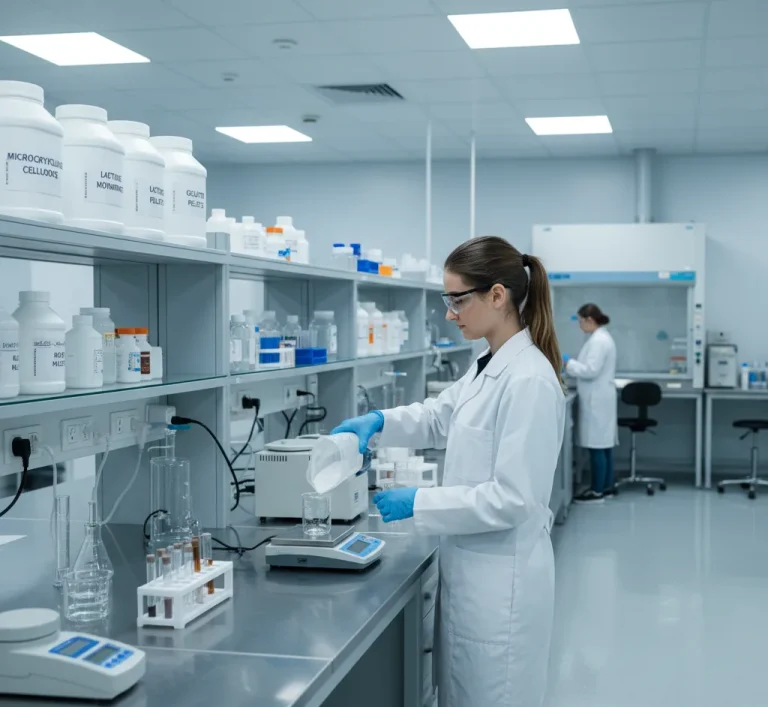
Understanding Pharmaceutical Excipients: A Crucial Role in Modern Drug Formulation
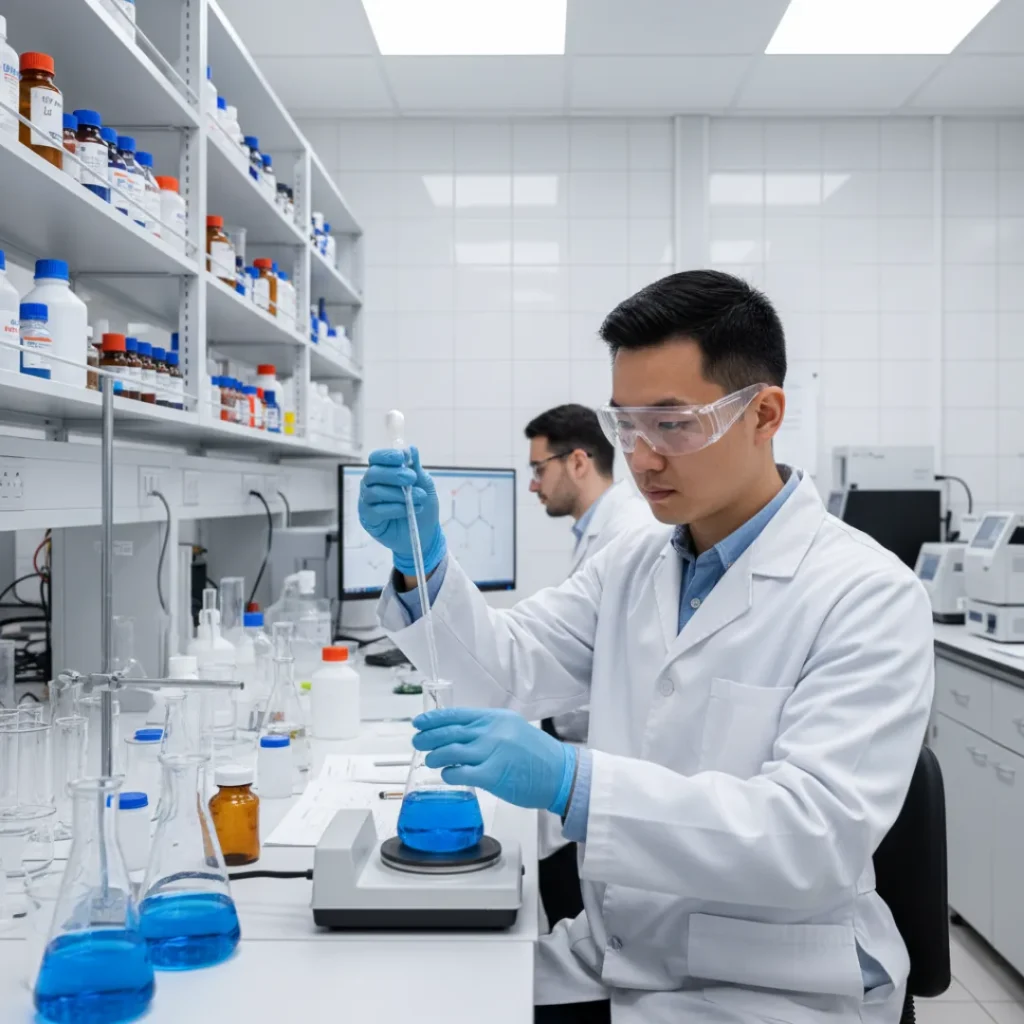
The pharmaceutical industry continues to grow rapidly, bringing various innovations in drug development. However, behind every tablet or capsule we consume, there is an important component that is often overlooked: pharmaceutical excipients. This component plays a fundamental role in determining the quality and effectiveness of drug products.
Excipients are additional substances combined with active ingredients to form pharmaceutical preparations. Although they do not provide direct therapeutic effects, excipients ensure the stability, bioavailability, and safety of the final product. Without high-quality excipients, even the best APIs (Active Pharmaceutical Ingredients) cannot provide optimal benefits.
The Main Functions of Excipients in Pharmaceutical Preparations
First, excipients function as fillers or diluents that give volume to tablets and capsules. In addition, these materials facilitate the manufacturing process by increasing the compressibility of powders. Microcrystalline cellulose (MCC) and monohydrate lactose are examples of excipients most commonly used for this purpose.
Furthermore, binders such as povidone (PVP K30) ensure the cohesiveness of the granules during the printing process. Meanwhile, disintegrants such as sodium starch glycolate accelerate the disintegration time of tablets in the digestive tract. Thus, the absorption of active substances can take place more efficiently.
In addition, lubricants such as magnesium stearate prevent the tablet mass from sticking to the punch machine. In fact, without the right lubricant, the production process can be significantly hampered. Therefore, the selection of excipients must take into account compatibility with manufacturing equipment.
Latest Innovations in Excipient Technology
As technology advances, modern excipients are designed with multifunctional characteristics. For example, co-processed excipients combine several functions in one material, thereby simplifying formulation. As a result, the production process becomes more efficient with more controlled costs.
Furthermore, polymer-based excipients have also undergone significant evolution. Hydroxypropyl methylcellulose (HPMC), for example, is now used in controlled release systems. As a result, drugs can be released gradually according to the patient's therapeutic needs.
Not only that, environmentally friendly excipients are beginning to gain widespread attention. Materials derived from renewable sources, such as plant cellulose, offer sustainable alternatives. In this way, the pharmaceutical industry can contribute to environmental conservation efforts.
Challenges in Procuring Quality Excipients
However, the procurement of high-quality excipients faces various challenges. First, batch-to-batch consistency is a critical issue that must be addressed. Quality variations can affect the reproducibility of formulations and the long-term stability of products.
Second, complete documentation such as the Certificate of Analysis (CoA) and Drug Master File (DMF) are often difficult to obtain from certain suppliers. In fact, these documents are essential for BPOM registration purposes. Therefore, choosing a trusted distributor is a strategic step.
Third, excipient storage requires special conditions to maintain stability. Uncontrolled temperature and humidity can damage the physicochemical characteristics of the material. For this reason, warehouse facilities with climate-controlled systems are essential.
Choosing the Right Excipient Distribution Partner
In this context, PT BUN DANG PHARMA offers comprehensive solutions for your pharmaceutical excipient needs. We provide various types of high-quality excipients sourced from international GMP-certified manufacturers. Furthermore, we provide technical support to help optimize formulations.
Visit www.bundang.id to explore our complete excipient product catalog and specifications. Our team of experts is ready to provide consultation on the compatibility of excipients with your specific formulations. With a reliable logistics system, we guarantee timely delivery throughout Indonesia.
In addition, we provide complete documentation including CoA, MSDS, and Halal certificates. Our digital portal system facilitates access to batch information and product traceability. As a result, your internal and external audit processes will run more smoothly.
Future Trends in Pharmaceutical Excipients
In the future, personalized medicine will drive the development of more specific excipients. Formulations will be tailored to individual genetic profiles, requiring excipients with unique characteristics. Therefore, research and development of novel excipients will continue to be intensive.
In addition, additive manufacturing technologies such as 3D printing open up new opportunities in excipient design. Porous structures with complex geometries can be printed to optimize drug release. Thus, the effectiveness of therapy can be significantly improved.
Not to be left behind, functional excipients for biological preparations will also grow rapidly. Proteins and monoclonal antibodies require special excipients that can maintain stability under storage conditions. As a result, demand for premium excipients is predicted to increase sharply.
Conclusion
In short, pharmaceutical excipients are an important foundation in the development of high-quality drug products. A deep understanding of the functions and characteristics of excipients will result in more effective formulations. Meanwhile, choosing the right supplier ensures consistent quality and adequate regulatory support.
In the era of modern pharmaceutical innovation, strategic partnerships with trusted distributors such as PT BUN DANG PHARMA are key to success. We are committed to providing quality excipients with professional services. Let's work together to build a more advanced and globally competitive Indonesian pharmaceutical industry.